The Essential Guide to Structured Cabling in Data Centers
In the rapidly evolving landscape of technology, data centers stand as the backbone of numerous organizations, providing the essential infrastructure for data management and communication. Among the numerous components that contribute to a data center's efficiency and effectiveness, structured cabling plays an undeniably crucial role. Understanding the importance of structured cabling installation is not just a technical necessity; it is a strategic move that can significantly impact an organization’s operational capabilities and future growth potential.
Structured cabling systems are designed to support a wide array of communication systems and applications, including voice, data, and video. The significance of these systems lies not only in their ability to facilitate communication but also in their capacity to adapt to the ever-changing technological demands. For IT managers, facilities managers, and operations directors, a well-implemented cabling infrastructure can lead to enhanced productivity, reduced downtime, and a future-proof data center that is prepared for the challenges of tomorrow.
As we delve deeper into the intricacies of structured cabling installation, it becomes evident that the benefits extend far beyond mere connectivity. From ensuring compliance with industry standards to optimizing space and resources, the installation of a robust cabling system is a critical element in the operational success of any data center. This guide aims to explore the various facets of structured cabling installation, highlighting its essentiality and offering insights into best practices that can lead to a seamless and efficient setup.
The Foundations of Structured Cabling Systems
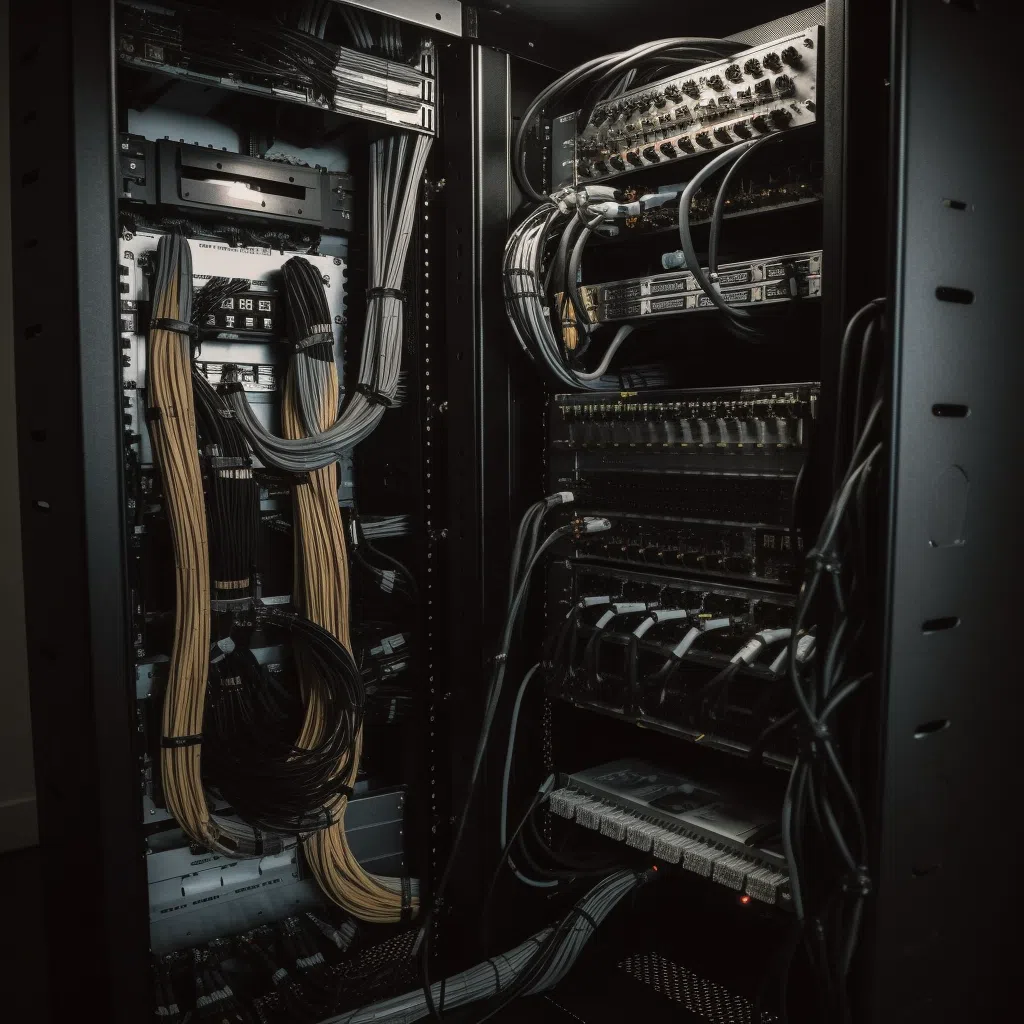
Structured cabling systems are composed of various components that work together to provide a comprehensive communication infrastructure. These systems typically include cabling, patch panels, network switches, and other hardware that facilitate data transfer across different devices. One of the primary benefits of structured cabling is its standardized design, which allows for easier troubleshooting and maintenance. When issues arise, technicians can quickly identify and rectify problems, minimizing downtime and keeping operations running smoothly.
Additionally, structured cabling supports various communication protocols and technologies, making it a versatile choice for any data center. For instance, a properly designed cabling system can accommodate Ethernet, fiber optics, and even legacy systems without requiring a complete overhaul. This adaptability is crucial in a world where technology is constantly advancing, and organizations must remain agile to keep pace with changes.
Furthermore, a well-implemented structured cabling system can lead to significant cost savings over time. By reducing the need for frequent upgrades and minimizing operational disruptions, companies can allocate resources more effectively. The initial investment in a high-quality cabling system pays dividends through its longevity and performance, enabling organizations to focus on their core business objectives rather than infrastructure concerns.

The Role of Standards in Cabling
Following industry standards is imperative when designing and installing structured cabling systems. Organizations like the Telecommunications Industry Association (TIA) and the International Organization for Standardization (ISO) provide frameworks that ensure cabling systems are efficient, reliable, and future-ready. These standards guide everything from cable types to installation practices, ensuring that data centers can handle current and future demands.
Adhering to these standards not only enhances performance but also ensures compliance with regulatory requirements. For many businesses, especially those in regulated industries such as finance or healthcare, compliance is non-negotiable. A structured cabling system that meets industry standards can provide peace of mind, knowing that the infrastructure is robust and secure.
Design Considerations for Optimal Performance
When planning a structured cabling installation, several design considerations must be taken into account. The layout of the data center, the types of equipment being used, and anticipated future growth all play critical roles in determining the best cabling strategy. For instance, a data center with high-density server requirements may require a different approach than one focused on scalability.
Moreover, considering the physical environment is essential for optimal cabling performance. Factors such as temperature, humidity, and electromagnetic interference can impact the effectiveness of cabling. By conducting a thorough assessment of these variables, organizations can create a cabling infrastructure that not only performs well but also stands the test of time. Nye Tech cabling Pittsburgh
Benefits of Professional Installation Services
While some organizations may consider a DIY approach to cabling installation, enlisting the expertise of professional installation services is often the wiser choice. Professionals bring not only technical expertise but also a wealth of experience that can streamline the installation process and mitigate risks. Their knowledge of industry best practices ensures that cabling systems are installed correctly, adhering to all relevant standards and regulations.

Professional installers can also provide valuable insights into the latest technologies and trends in structured cabling. They can recommend the best materials and equipment for specific needs, which can ultimately lead to better performance and longer system life. Additionally, their ability to conduct thorough assessments and audits prior to installation helps identify potential issues that could disrupt operations down the line. Nye Technical installation
Furthermore, relying on professionals can significantly reduce the time required for installation. This efficiency minimizes disruption to ongoing operations, allowing businesses to maintain productivity while upgrading their infrastructure. In a landscape where downtime can be costly, this benefit alone makes professional installation a worthwhile investment.
Long-Term Support and Maintenance
Another advantage of hiring professional installation services is the ongoing support and maintenance they can offer. Data center infrastructure is not a one-time project; it requires continual monitoring and occasional upgrades to ensure optimal performance. Professionals can provide regular maintenance services, helping to identify and address issues before they escalate into significant problems.
Additionally, many companies offer warranties or service agreements that cover aspects of the cabling system. This assurance provides peace of mind, knowing that should any issues arise, experienced technicians are just a call away. Such long-term support is invaluable in maintaining operational continuity and ensuring that the cabling infrastructure remains up to date with evolving technologies.
Future-Proofing Your Infrastructure
One of the most compelling reasons for investing in structured cabling installation is its ability to future-proof your data center. As technology continues to evolve, the demands placed on data centers will only increase. A well-designed cabling system can accommodate growing data needs, ensuring that organizations remain competitive in their respective markets.

By implementing a flexible cabling design, companies can easily adapt to new technologies and protocols without significant overhauls. For instance, as the demand for higher bandwidth increases, organizations can upgrade to faster transmission methods with minimal disruption. This adaptability is essential for businesses that want to stay ahead of the curve and respond effectively to market changes.
Scalability and Growth Potential
Structured cabling systems are inherently scalable, allowing organizations to expand their infrastructure as needed. Whether it's adding new servers, increasing user capacity, or integrating new technologies, a well-planned cabling installation can accommodate growth without requiring a complete redesign. This scalability is particularly beneficial for companies that anticipate rapid expansion or changes in their operational needs.
Moreover, having a scalable cabling system can lead to significant cost savings in the long run. Organizations can avoid the expenses associated with frequent upgrades or complete system replacements, allowing them to allocate resources more strategically. This capability not only enhances operational efficiency but also supports long-term business objectives.
Table of Key Components in Structured Cabling
| Component | Description | Function |
|---|---|---|
| Cabling | Fiber optic or copper cables used for data transmission | Facilitates communication between devices |
| Patch Panels | Devices that organize and connect incoming and outgoing cables | Streamlines connections and simplifies troubleshooting |
| Network Switches | Devices that route data between multiple devices on a network | Enhances network efficiency and speeds |
| Racks | Frameworks for housing network equipment | Optimizes space and cooling within the data center |
| Connectors | Devices that connect different types of cables | Ensures proper signal transmission |
This table illustrates some of the key components involved in structured cabling systems. Each component plays a vital role in ensuring the overall effectiveness and efficiency of data center operations.
Pros and Cons
- Pros:
- Enhanced Performance: A structured cabling system significantly improves the performance of communication networks, leading to faster data transfer and improved connectivity.
- Future-Ready: These systems are designed to accommodate future upgrades and expansions, protecting your investment as technology evolves.
- Improved Troubleshooting: The organized structure of cabling simplifies troubleshooting, allowing for quicker resolutions to connectivity issues.
- Cost Efficiency: Long-term savings can be achieved through reduced maintenance needs and fewer system upgrades.
- Cons:
- Initial Costs: The upfront costs of installation can be significant, particularly for businesses operating on tight budgets.
- Complex Installation: Professional installation is often necessary, which can add to the overall expense and complexity of the project.
- Requires Planning: Proper planning and design are crucial, and any mistakes can lead to costly retrofits or downtime.
When weighing the pros and cons of structured cabling installation, it is essential to consider both the immediate and long-term implications. While the initial investment may seem daunting, the potential for enhanced performance, increased efficiency, and future adaptability makes a compelling case for prioritizing structured cabling in any data center strategy.
Frequently Asked Questions
- What is structured cabling?
Structured cabling refers to a standardized cabling system used for data transmission in telecommunications and data networks. It encompasses a variety of cables, connectors, and hardware designed to support different communication protocols efficiently.
- Why is professional installation important?
Professional installation ensures that cabling systems are set up correctly and according to industry standards. This minimizes the risk of errors, enhances system performance, and provides ongoing support and maintenance, which are crucial for operational success. Nye Technical Services cabling
- How can structured cabling benefit my business?
Structured cabling can improve operational efficiency by enhancing connectivity, reducing downtime, and providing a scalable infrastructure that can adapt to future growth and technology changes. This flexibility can lead to significant cost savings over time.
- What should I consider when planning a cabling installation?
When planning a cabling installation, consider factors such as the layout of your data center, the types of equipment you will use, and your organization's future growth plans. Additionally, ensure compliance with industry standards to optimize performance and reliability.
Conclusion
In conclusion, the significance of structured cabling installation in data centers cannot be overstated. As organizations strive for enhanced connectivity and operational efficiency, investing in a robust cabling infrastructure becomes a strategic imperative. Through careful planning, adherence to industry standards, and the benefits of professional installation services, companies can create a data center environment that is not only efficient but also adaptable to future demands. Ultimately, a well-designed structured cabling system is a cornerstone of success, enabling businesses to thrive in a technology-driven world.

